



Essential Oils for Skin: Which Ones to Use (and How)
Not all essential oil claims hold up to scrutiny. Here is what the research actually supports, which oils to use, and how to build them safely into a skincare ritual.

Essential oils are concentrated plant extracts, most often used by inhaling them or applying a diluted form to the skin (National Center for Complementary and Integrative Health [NCCIH], 2023). They are a genuine part of a sensory skincare ritual. They are not a replacement for a dermatologist-recommended treatment, and the research behind some of the most popular claims is thinner than the marketing around them suggests. Here is what is actually documented, and how to use essential oils in a way that respects both the ritual and the evidence.
What Are Essential Oils, and How Do They Work on Skin?
Essential oils are extracted from plants through distillation or cold pressing, concentrating the plant's natural aromatic compounds. On skin, they are typically used in one of two ways: diluted in a carrier oil for topical application, or diffused into the air for inhalation, which is where most of the aromatherapy benefit (relaxation, mood, stress relief) actually comes from (NCCIH, 2023).
Essential Oils Commonly Used for Skin (with the Evidence)
- Lavender. Widely used for relaxation and sleep support. Some evidence suggests it may help with mild anxiety when inhaled, though the research base is still described as limited overall, and lavender oil has also been associated with some hormone-like effects in a small number of case reports (NCCIH, 2020a).
- Tea tree. Commonly used for its cleansing properties. Like lavender, it has been linked to allergic contact dermatitis in some users and should always be diluted (NCCIH, 2023).
- Peppermint. Limited evidence suggests topical peppermint oil may help with tension-type headaches, but it can also cause skin irritation or rash when applied directly (NCCIH, 2020b).
- Rosehip. Often used in facial oil blends for its texture and nourishing feel on dry or mature skin.
- Frankincense, geranium, chamomile, bergamot, cedarwood. All commonly included in aromatherapy blends aimed at relaxation and sensory wellness (NCCIH, 2023).
What the Research Actually Says (and Where It's Limited)
This is the part most skincare content skips. The evidence for essential oils improving skin outcomes directly (texture, tone, acne, aging) is limited and inconsistent. Most of the higher-quality research on essential oils focuses on inhalation for relaxation, mood, and stress, not on topical skin transformation (National Cancer Institute, n.d.). There is also no professional standardization or licensing requirement for aromatherapy in the United States, which means product quality and claims vary widely from one brand to another (NCCIH, 2023).
None of this means essential oils are not worth using. It means they are best understood, and marketed, as a sensory and relaxation tool first, with any skin benefit treated as a pleasant secondary effect rather than a guaranteed outcome.
How to Use Essential Oils Safely on Skin
- Always dilute. Essential oils applied directly (undiluted) are a common cause of skin irritation and allergic reactions.
- Patch test first. Apply a small diluted amount to the inside of your arm and wait 24 hours before using it on your face.
- Avoid the water reservoir of skincare devices. Add oils only to a dedicated aromatherapy compartment, never directly into a steam or water tank, since undiluted oils can damage components and are not designed for inhalation at concentrated, heated volumes.
- Stop use if irritation occurs, and consult a dermatologist for persistent reactions or before use if you have a diagnosed skin condition.
Aromatherapy Beyond Topical Use: Diffusion and Ritual
Inhalation is where aromatherapy's evidence is strongest, particularly for relaxation and stress relief (NCCIH, 2023). This is also where it pairs most naturally with a skincare routine: not as a treatment ingredient, but as the sensory layer that turns a routine into a ritual. A few minutes of scent alongside warmth or cold changes how a routine feels, even when it does not change what is happening at the cellular level.
If you want to lean into that sensory layer, it helps to understand how aromatherapy skincare enhances your results by shaping the mood around your active steps instead of trying to replace them.
Building an Aromatherapy Ritual Into Your Skincare Routine
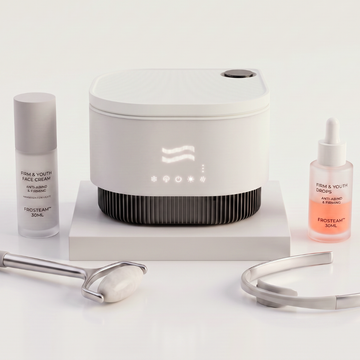
The Frosteam Harmony's integrated aromatherapy system is built around this distinction. Its dedicated oil bottle diffuses scent in a controlled, timed release alongside the steam and cold cycles, so the aromatherapy layer supports relaxation and the ritual itself, while the steam and cold plunge handle the parts of the routine with the most direct, documented effect on the skin.
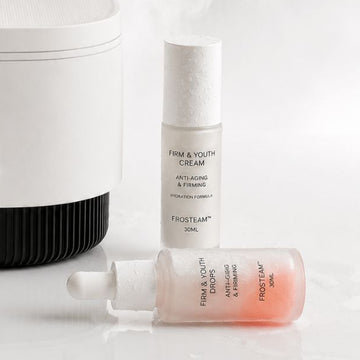
To keep the diffusing step simple and safe, put your essence only in the device's dedicated aromatherapy bottle, never in the water tank, so you get the scent without mixing your own blend or risking the tank.
- Add a diluted essential oil blend to the dedicated aromatherapy bottle only.
- Start your steam cycle, letting the scent diffuse as the warm mist softens your skin.
- Move into the cold plunge step, with the same calming scent carrying through.
- Close the ritual with your usual moisturizer, ideally in a quiet moment rather than rushed.
Get Yours Now: turn your skincare routine into a full sensory ritual. Discover the Frosteam Harmony.
References
National Cancer Institute. (n.d.). Aromatherapy with essential oils (PDQ), patient version. National Institutes of Health. cancer.gov/aromatherapy-pdq
National Center for Complementary and Integrative Health. (2020a). Lavender. U.S. Department of Health and Human Services. nccih.nih.gov/health/lavender
National Center for Complementary and Integrative Health. (2020b). Peppermint oil: Usefulness and safety. U.S. Department of Health and Human Services. nccih.nih.gov/health/peppermint-oil
National Center for Complementary and Integrative Health. (2023). Aromatherapy. U.S. Department of Health and Human Services. nccih.nih.gov/health/aromatherapy
Keep exploring glowing skin: our skincare collection · What’s the Best Skincare Routine with Frosteam™? 3 Steps to Unlock… · How to Treat Dry Skin on Your Face
.%20The...)
Leave a comment
This site is protected by hCaptcha and the hCaptcha Privacy Policy and Terms of Service apply.