
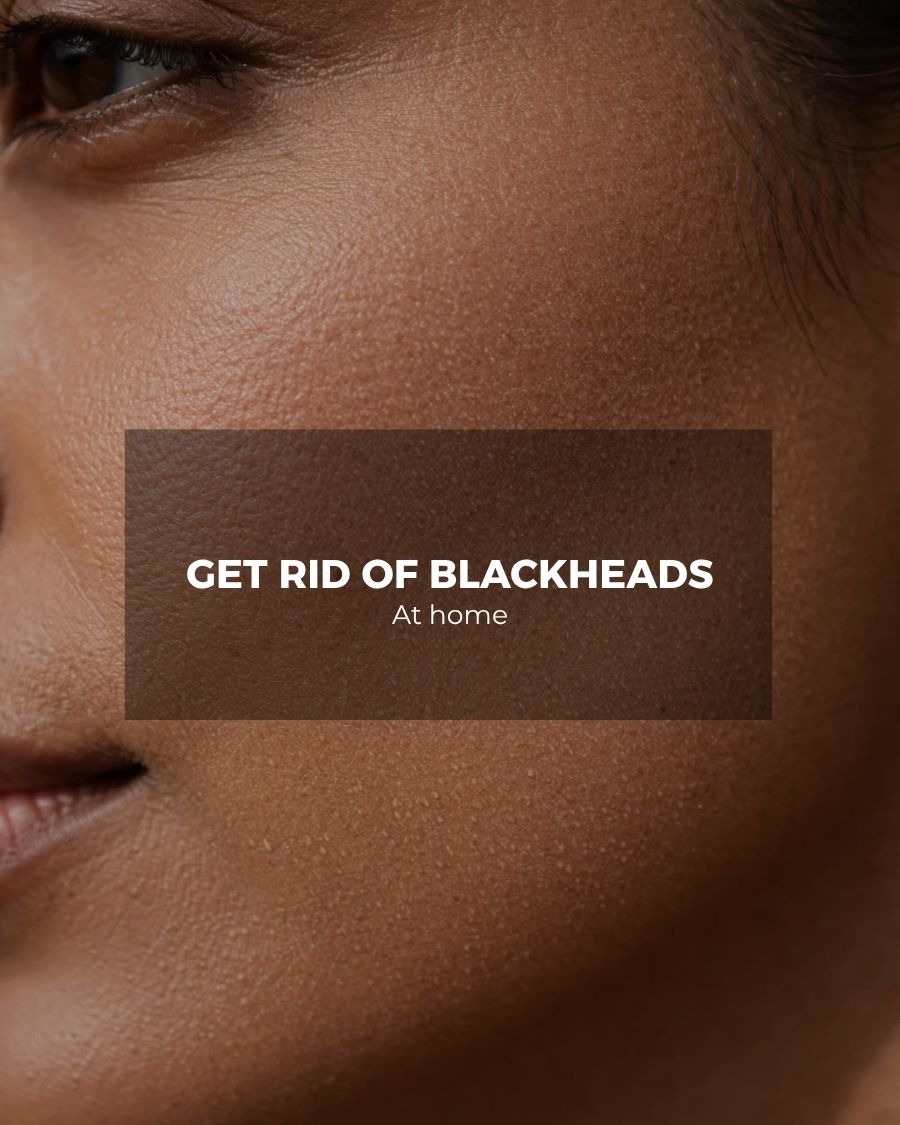
Cómo eliminar los puntos negros en casa (sin dañar la piel)
Los puntos negros son comedones abiertos: poros obstruidos con sebo y células muertas que se oscurecen al contacto con el aire, no por suciedad. Apretarlos suele empeorar las cosas, porque empuja los residuos más adentro e irrita la piel de alrededor. El método más seguro es metódico: limpiar, usar vapor para ablandar los residuos, exfoliar con un BHA, extraer con suavidad solo si es necesario y terminar con un paso de frío que ayuda a que los poros se vean más pequeños. Este es el enfoque completo de 7 pasos.

¿Qué son exactamente los puntos negros?
Un punto negro, llamado médicamente comedón abierto, se forma cuando un folículo piloso se obstruye con una mezcla de sebo y células muertas, pero permanece abierto en la superficie. Al exponerse al aire, el material atrapado se oxida y se oscurece, por eso los puntos negros se ven negros o marrón oscuro en lugar de blancos. Es distinto de un punto blanco, un comedón cerrado, en el que la misma obstrucción queda bajo una fina capa de piel y se mantiene pálida.
El color no tiene nada que ver con la limpieza. Un punto negro en una piel recién lavada se ve igual que uno en una piel que no se ha lavado en días. Lo que determina el color es la oxidación, no la suciedad.
¿Qué causa los puntos negros?
Varios factores se combinan para obstruir un poro en primer lugar:
- Exceso de producción de sebo, a menudo ligado a las hormonas, la genética o la humedad
- Acumulación de células muertas que no se desprenden de forma uniforme y se quedan dentro del poro
- Cambios hormonales, por eso los puntos negros suelen aumentar en la pubertad, durante el ciclo menstrual o en épocas de estrés
- Productos pesados que obstruyen los poros (comedogénicos), incluidos algunos protectores solares, hidratantes y maquillajes
- Tocarse la cara con frecuencia, lo que transfiere sebo y residuos a lo largo del día
La mayoría de las personas tiene una combinación de estos factores y no una sola causa, por eso una solución puntual rara vez funciona a largo plazo.
Por qué apretar y usar tiras suele ser contraproducente
Es tentador apretar un punto negro visible en cuanto lo ves. Esta es la razón por la que suele hacer más daño que bien:
Apretar puede empujar los residuos más adentro del folículo en lugar de sacarlos, lo que puede provocar inflamación, enrojecimiento y, en algunos casos, un brote de peor aspecto que el punto negro original.
Las tiras solo retiran la superficie. Pueden levantar la parte superior de un poro obstruido y dar una mejora visual inmediata, pero no actúan sobre la producción de sebo ni sobre la acumulación de células muertas que causaron la obstrucción, así que el mismo poro suele volver a llenarse en pocos días.
La extracción agresiva puede dejar cicatrices. Apretar repetidamente, sobre todo con las uñas o con herramientas sin desinfectar, puede dañar el tejido de alrededor con el tiempo, un efecto que dura mucho más que el propio punto negro.
El método de 7 pasos para eliminar los puntos negros en casa
- Doble limpieza. Empieza con un limpiador a base de aceite para disolver el sebo y el maquillaje, y continúa con un limpiador suave a base de agua. Así despejas la superficie antes de ocuparte de lo que hay dentro del poro.
- Vapor para ablandar los residuos. Entre cinco y ocho minutos de vapor nanoiónico tibio ayudan a aflojar el sebo y las células muertas atrapados en los poros obstruidos, lo que hace más eficaces los pasos siguientes. Aquí es donde cómo el vapor nanoiónico afloja los residuos se gana su lugar en la rutina: el vapor por sí solo no elimina los puntos negros, pero prepara la piel para que la limpieza y la exfoliación sí puedan hacerlo.
- Aplica un exfoliante BHA (ácido salicílico). El ácido salicílico es liposoluble, lo que le permite penetrar en el propio poro en lugar de actuar solo en la superficie. Una concentración del 0,5 % al 2 %, usada con constancia, es el paso de esta rutina con más respaldo científico para ayudar a eliminar y prevenir los puntos negros con el tiempo.
- Si extraes, hazlo con suavidad y rara vez. Después del vapor, algunos puntos negros pueden salir con una presión muy ligera y uniforme, con las yemas de los dedos limpias envueltas en pañuelo, o con una herramienta de extracción bien desinfectada. Si un punto negro no sale con facilidad, detente. Forzarlo es cuando se produce el daño.
- Termina con un paso de frío. Un final de frío controlado, de alrededor de 1 a 4 °C, puede ayudar a reducir el aspecto de los poros y a calmar el enrojecimiento causado por el vapor y la exfoliación. Un vaporizador nanoiónico con final de terapia de frío combina los pasos 2 y 5 en un solo dispositivo.
- Hidrata. Si te saltas este paso, la piel suele compensar produciendo más sebo, lo que va en contra de todo lo logrado en los pasos anteriores.
- Aplica FPS a la mañana siguiente. El BHA aumenta la sensibilidad al sol, así que el protector solar de día no es opcional al día siguiente de exfoliar.
¿El vapor elimina los puntos negros?
No por sí solo, y vale la pena ser honestos al respecto. El vapor ablanda los residuos dentro de un poro obstruido y los hace más fáciles de retirar durante la limpieza o una extracción suave, pero el vapor en sí no saca nada. Piénsalo como aflojar la tapa atascada de un frasco en lugar de abrir el frasco. La combinación de vapor y un exfoliante BHA es lo que realmente limpia; el vapor solo hace que ese trabajo sea más fácil y más suave para la piel.
¿Cómo evitar que los puntos negros vuelvan?
Sé constante, no agresivo. Una rutina suave realizada con regularidad da mejores resultados que una intensa realizada de vez en cuando, y es mucho menos probable que irrite la piel en el proceso.
Elige productos no comedogénicos. Revisa las etiquetas del hidratante, el protector solar y el maquillaje, ya que las fórmulas más pesadas son un factor oculto común de los puntos negros recurrentes.
Crea un ritual semanal de vapor y frío. Una sesión regular, en lugar de una limpieza profunda puntual, evita que los poros se vuelvan a obstruir tan rápido. Consulta la rutina de vapor de 10 minutos para una versión guiada.
¿Cuándo conviene consultar a un profesional?
Si los puntos negros son persistentes, extensos o van acompañados de brotes inflamados y dolorosos, una rutina en casa puede no ser suficiente por sí sola. Un esteticista o un dermatólogo puede ofrecer extracción profesional y, cuando corresponda, opciones con receta que van más allá de los cuidados de venta libre. La terapia de frío también puede favorecer el aspecto de una piel propensa a los brotes como parte de una rutina más amplia.


Dejar un comentario
Este sitio está protegido por hCaptcha y se aplican la Política de privacidad de hCaptcha y los Términos del servicio.