



Skin Regulation Is the New Anti-Aging
Skin aging isn’t caused by a lack of actives, but by a loss of regulation.Discover why calm, regulated skin is the foundation of skin longevity — and why inflammation, barrier disruption, and overstimulation accelerate visible aging.

Why calm, regulated skin is the real foundation of skin longevity
For years, anti-aging skincare has focused on one idea: fight aging with stronger actives. More acids. More retinoids. More stimulation.
But dermatological research is now pointing toward a different truth:
Skin doesn’t age because it lacks actives.
It ages because it loses its ability to regulate itself.
This is where skin regulation and the shift from anti-aging to skin longevity changes everything.
What Is Skin Regulation?
Skin regulation refers to the skin’s ability to return to balance after stress.
- Maintaining a strong, intact skin barrier
- Managing inflammation effectively
- Responding calmly instead of overreacting
When skin is regulated, it adapts. When it’s not, it compensates often through redness, sensitivity, breakouts, or premature aging.
Regulation is not about stopping time. It’s about supporting skin function so it can age more slowly and more intelligently.

Why Inflammation Accelerates Skin Aging
Chronic, low-grade inflammation often described as inflammaging is recognized as a major driver of skin aging. Persistent inflammation can:
- Weaken the skin barrier
- Increase transepidermal water loss (TEWL)
- Contribute to collagen and elastin breakdown
- Slow down repair and recovery processes
Aggressive anti-aging routines may increase inflammatory load instead of reducing it which helps explain:
- “Sensitive skin” that wasn’t sensitive before
- Diminishing returns from actives
- Fine lines that appear faster despite advanced products
Skin that is constantly triggered can’t prioritize regeneration.
Skin Longevity vs Traditional Anti-Aging
Skin longevity isn’t about doing more. It’s about creating the right biological environment for skin to thrive.
Why Barrier-First Skincare Matters
The skin barrier is not just protective, it’s communicative. A compromised barrier can trigger distress signals, amplify inflammation, and increase sensitivity.
A regulated barrier can improve tolerance to actives, support comfort, and help skin look more even over time.
Why Regulation Comes Before Products
Before serums. Before actives. Before results, skin must first be calm and receptive.
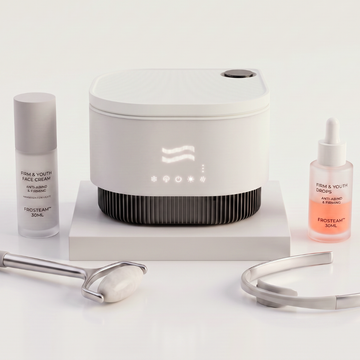
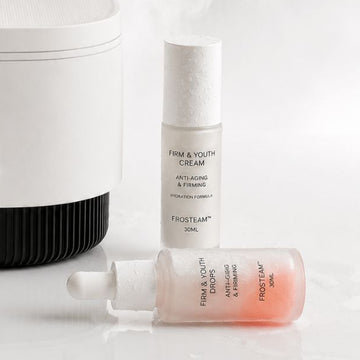
This is the philosophy behind Frosteam’s approach: not adding another product to an already overloaded routine, but supporting the skin’s regulatory state so everything else can work better. The same regulate-first principle guides the Frosteam skincare formulas.
Building that calm, receptive state is less about a single product and more about a repeatable habit. Explore the in-and-out ritual for skin energy and performance to see how a consistent regulate-first routine supports the skin over time.
When Skin Is Regulated
- Redness fades faster
- Texture looks smoother
- Products absorb better
- Skin feels less reactive day after day
Not overnight but sustainably.
The Future of Skincare
Anti-aging tried to control skin. Longevity listens to it.
Skin regulation is where modern skincare begins — and where long-term results are built.
Discover the future of skin regulation
Scientific References
The following peer-reviewed sources support the concepts discussed in this article: inflammaging, the skin aging exposome, barrier function, and oxidative stress as drivers of visible aging and skin resilience.
Inflammaging (chronic low-grade inflammation) and aging biology
Franceschi, C., Garagnani, P., Parini, P., Giuliani, C., & Santoro, A. (2018). Inflammaging: a new immune–metabolic viewpoint for age-related diseases. Nature Reviews Endocrinology.
Franceschi et al. (2018), Nature Reviews Endocrinology
The skin aging exposome (environmental + lifestyle stressors)
Krutmann, J., Bouloc, A., Sore, G., Bernard, B. A., & Passeron, T. (2017). The skin aging exposome. Journal of Dermatological Science.
Krutmann et al. (2017), Journal of Dermatological Science
Skin barrier function (barrier-first approach)
Elias, P. M. (2008). Skin barrier function. Current Allergy and Asthma Reports.
Elias (2008), Current Allergy and Asthma Reports
Oxidative stress and skin aging mechanisms
Kammeyer, A., & Luiten, R. M. (2015). Oxidation events and skin aging. Ageing Research Reviews.
Kammeyer & Luiten (2015), Ageing Research Reviews
Skin microbiome and skin health context
Dréno, B., Araviiskaia, E., Berardesca, E., et al. (2016). Microbiome in healthy skin, update for dermatologists. Journal of the European Academy of Dermatology and Venereology.
FAQ
Is skin regulation the same as skin barrier repair?
Barrier repair is part of regulation. Skin regulation also includes how skin responds to stress and inflammation over time.
What’s the difference between anti-aging and skin longevity?
Anti-aging focuses on correcting visible signs. Skin longevity focuses on supporting skin function and resilience for long-term outcomes.


Leave a comment
This site is protected by hCaptcha and the hCaptcha Privacy Policy and Terms of Service apply.